Happy International Women’s Day!
In celebration of women — the quiet strength that holds families together, nurtures future generations, and carries forward culture and tradition — we invite you to join our 3-day celebration. Enjoy 30% off across the entire store, including our silk ikat scarves,
1960s’ Uzbekistan, clay walls, floor mats, ikat dress and a skullhat
“Visiting an Old Kolkhoz Farmer”1964 photo album of Central Asia and Kazakhstan “Visiting an Old Kolkhoz Farmer”—this is the title of a photograph from the 1964 album Central Asia and Kazakhstan. Several interesting details stand out in this image: The simple clay walls
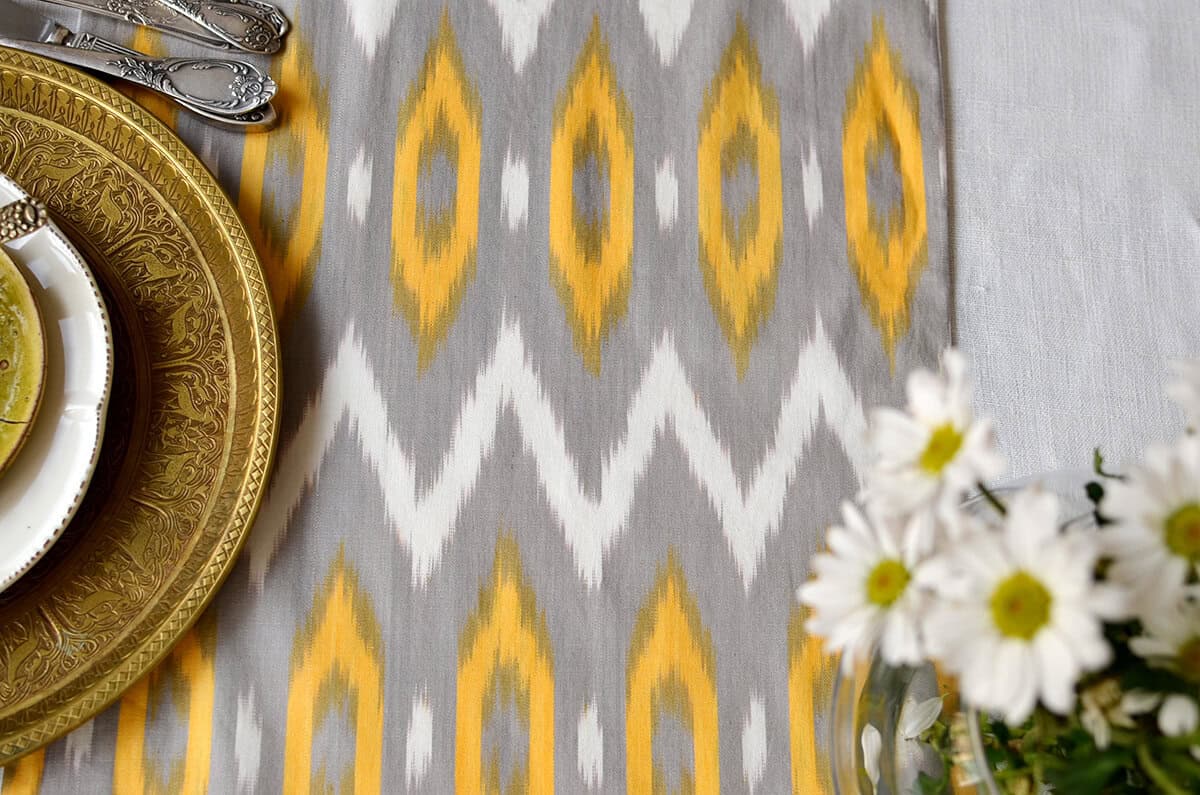
Yellow Ikat Cotton Table Runner: Hand Wash Test Before And After
Ikat fabrics are known for their vibrant patterns and artisanal craftsmanship, but maintaining their beauty requires careful attention. To ensure the Yellow Ikat Cotton Table Runner is durable and easy to care for, we conducted a wash test to examine its color retention, texture, and overall quality after washing.
Wash Test Procedure For The Yellow Ikat Cotton Table Runner
Before offering this elegant piece to our customers, we subjected it to a step-by-step wash test to evaluate its durability. Here’s the precise method we followed:
Washing Process
- Filled a basin with lukewarm water (30°C).
- Added a small amount of shampoo or a mild detergent to preserve fabric integrity.
- Gently hand-washed the fabric, avoiding scrubbing to prevent fiber damage.
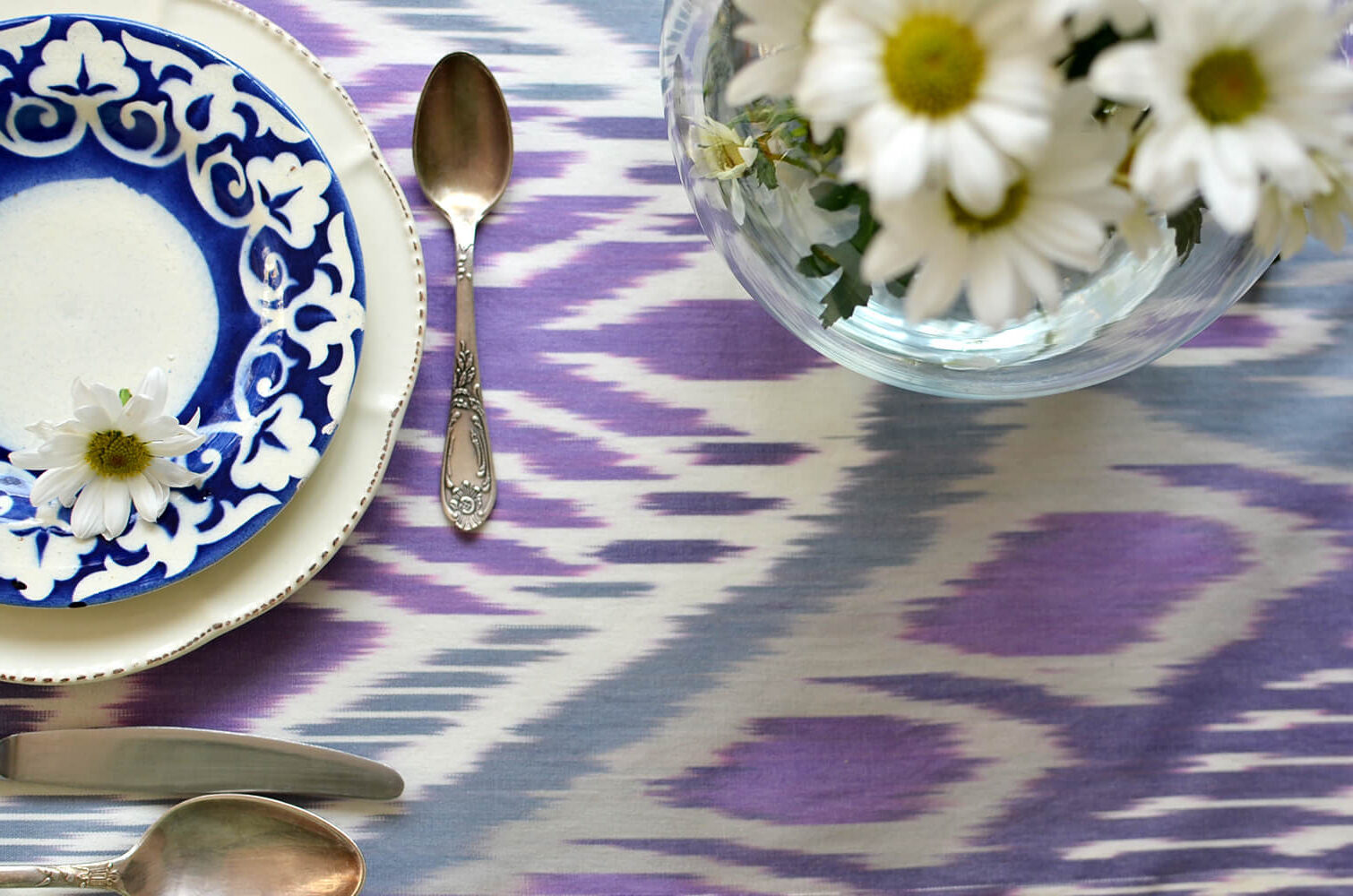
Lavender Ikat Table Runner: Wash Test
Ikat fabrics from Uzbekistan are renowned for their luxurious appeal, but traditional varieties often require dry cleaning, making them less practical for everyday use. However, some ikat fabrics can be hand-washed.
The purpose of this post is to document our testing of lavender ikat fabric before transforming it into a table runner. Our goal is to ensure that the fabric passes the “hand-washable” test without compromising its handmade luxurious vibrancy and texture.
Thorough Testing Before Crafting the Table Runner:
Before turning our exquisite ikat fabrics into table runners, we ensure they undergo a wash test. This step is essential to guarantee the fabric remains vibrant and intact after washing.
Here’s the Ikat Fabric Washing Test Procedure:
Washing Process:
- Fill a basin with lukewarm water (30°C).
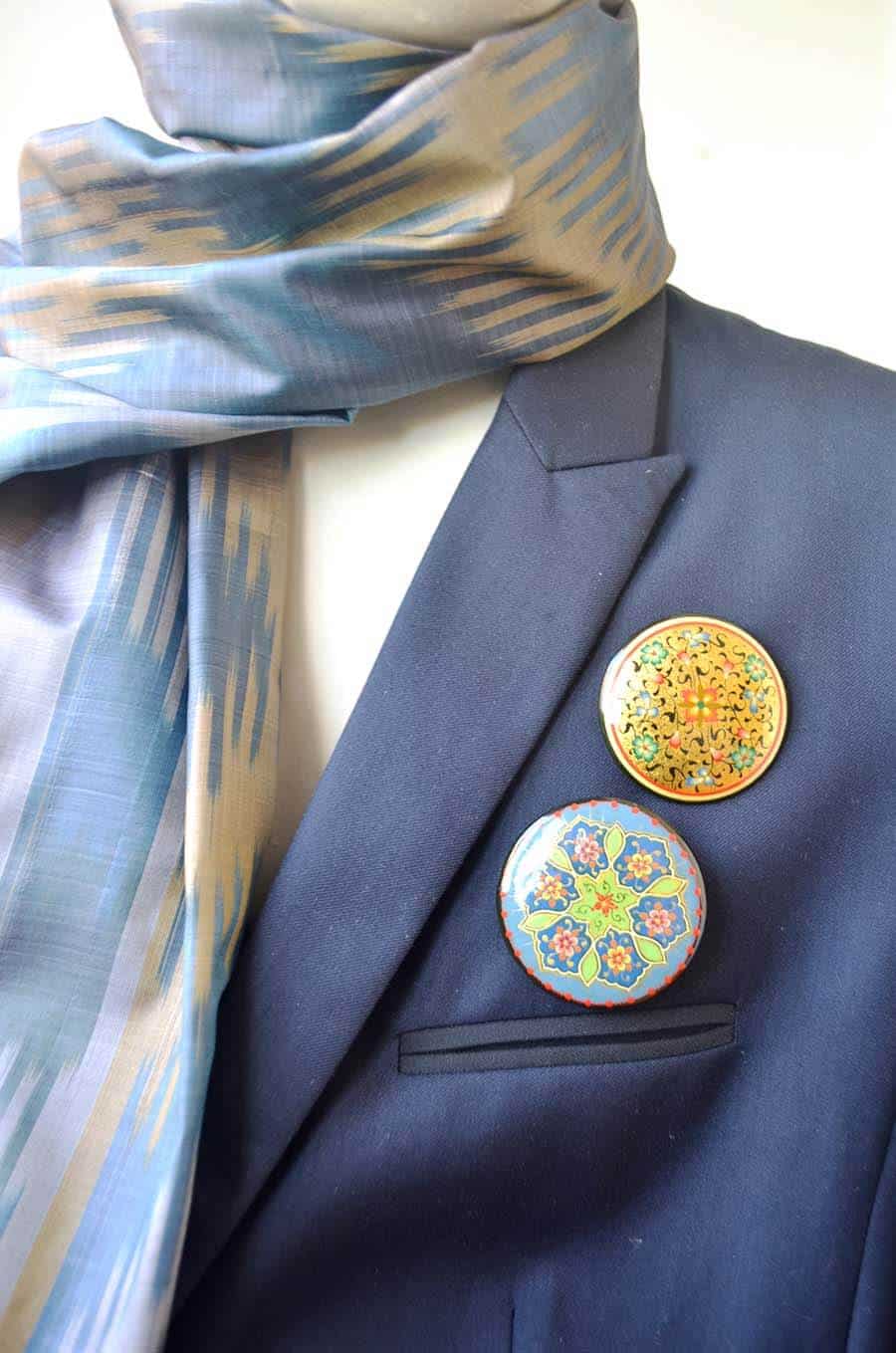
Why UzbekAlive’s Handcrafted Brooches Are a Must-Have
How can a small accessory like a handcrafted brooch make such a big impact? Brooches have stood the test of time, adding elegance, creativity, and personality to outfits across generations. At UzbekAlive, we’ve redefined this timeless accessory by combining traditional Uzbek artistry with contemporary design.
Our handcrafted brooches, created in collaboration with Tashkent-based artisan Koshib Omonov, are wearable works of art. By infusing rich cultural heritage into modern fashion, we’ve created brooches that are not only beautiful but also versatile and meaningful.
Read ahead to discover why UzbekAlive’s brooches deserve a special place in your wardrobe.
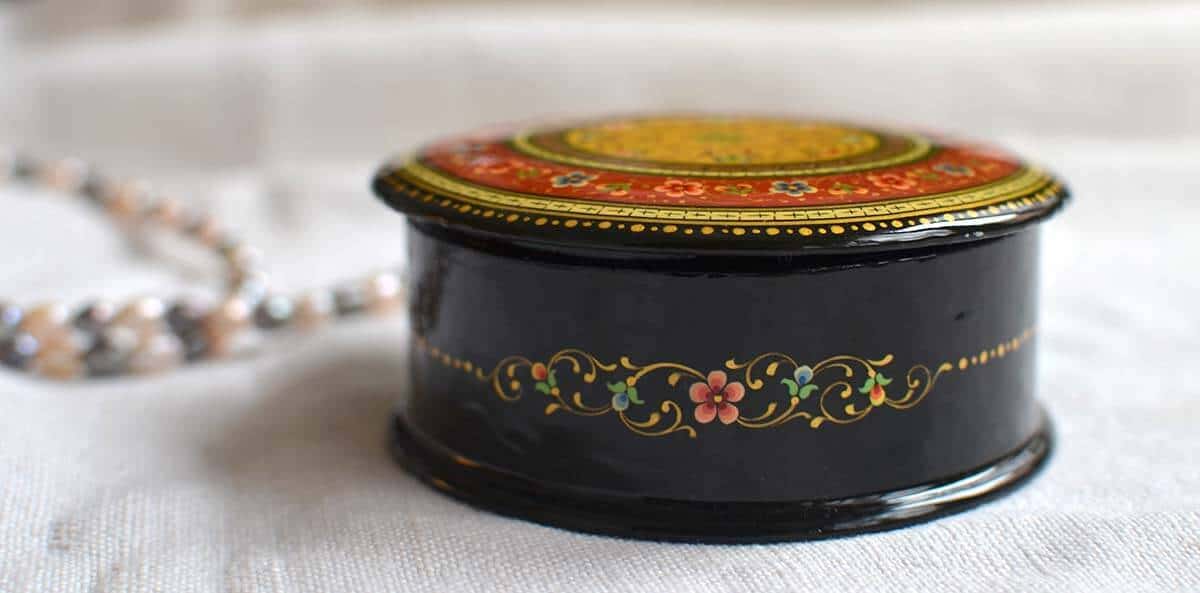
The Timeless Beauty of Uzbek Hand-Painted Lacquer Jewelry Boxes
In Uzbekistan, as in much of the world, the rhythm of life has transformed over the past decade. This shift, while bringing innovation, poses a poignant challenge: the preservation of handmade art. Fewer young artisans have the patience or dedication to devote decades to mastering their craft. Mass production offers an easier, faster path—but at the cost of the soul and intricacy that true craftsmanship demands.
Jewelry Boxes from The Crossroads of Civilizations
Uzbekistan lies at the heart of the ancient Silk Road, a crossroads of East and West that once served as the “Google” of the world. For centuries, merchants, travelers, and dreamers traversed its bustling trade routes, exchanging not just goods but knowledge, ideas, and artistry. Here, the threads of Chinese and Byzantine cultures wove together with the teachings of dervishes, the verses of poets, and the innovations of scientists. This vibrant mingling of civilizations lives on in the artistry of these lacquer jewelry boxes. They carry the energy of distant lands and timeless traditions—a stunning blend of East and West, embodying the spirit of exploration, inspiration, and wonder.
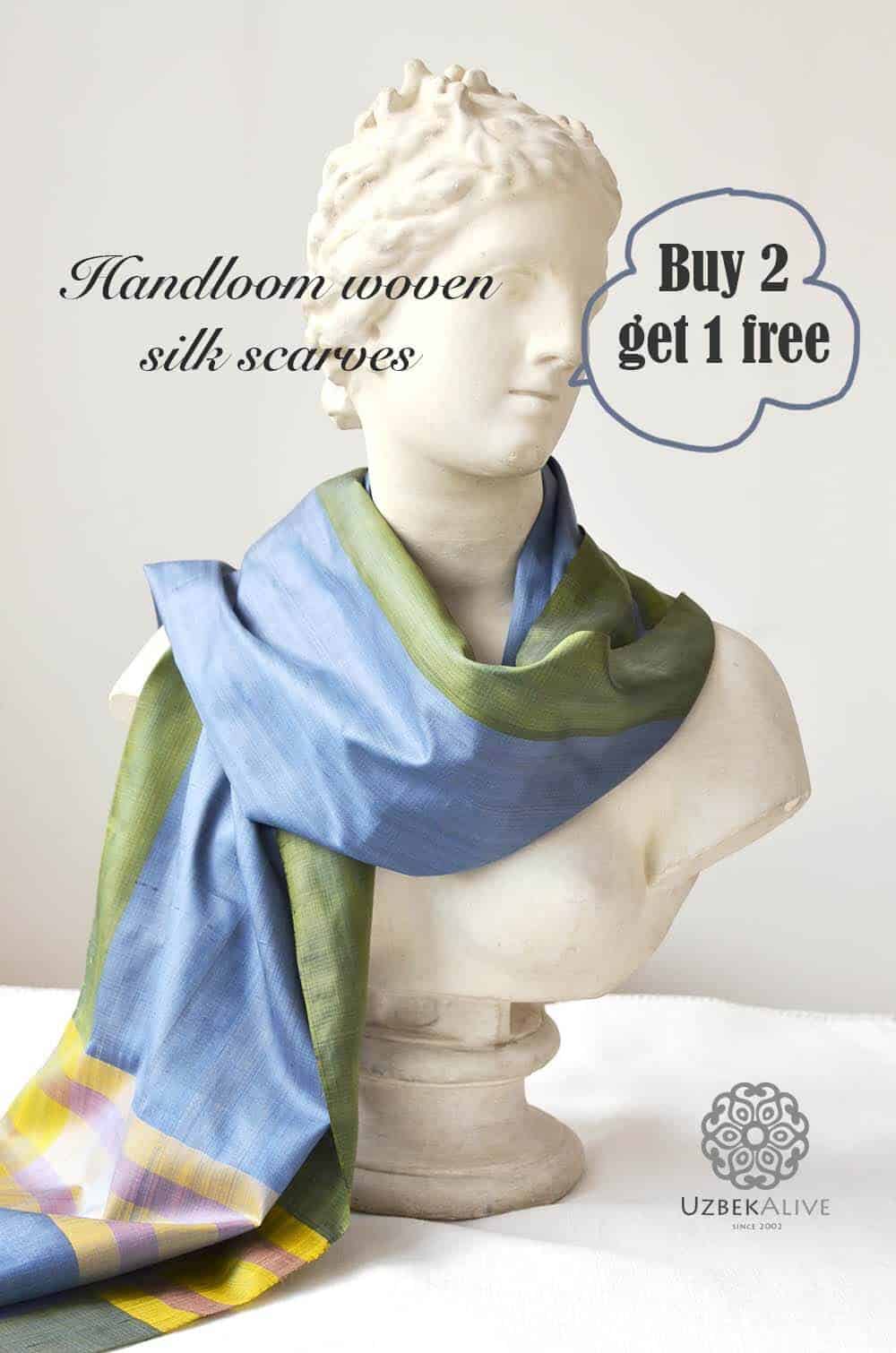
Autumn Exclusive: Buy 2, Get 1 Free on Our Handcrafted Silk Scarves
Embrace the Changing Seasons with Silk Scarves
Even better, we’re running an exclusive Buy 2, Get 1 Free (of equal of less value) promotion on our silk scarves—solid, ikat, and batik designs alike! We have not set a specific date for the end of this promotion. So, it could end at any time - do not wait!
Summer sale! 3 Days only 50% off storewide!
We're thrilled to announce a fabulous 3-day sale with 50% off storewide!
This is a fantastic opportunity to get something handmade, unique, and special at half price. Explore our luxurious handmade ikat fabrics perfect for your creative projects, ready-made ikat pillow covers for your summer relaxation areas, and a selection of ikat table runners to enhance your beautiful summer dinners.
In addition to our ikat products, we offer a beautiful collection of hand-painted jewelry boxes, silk scarves, and bags. Each piece is a testament to exquisite craftsmanship and unique artistry.
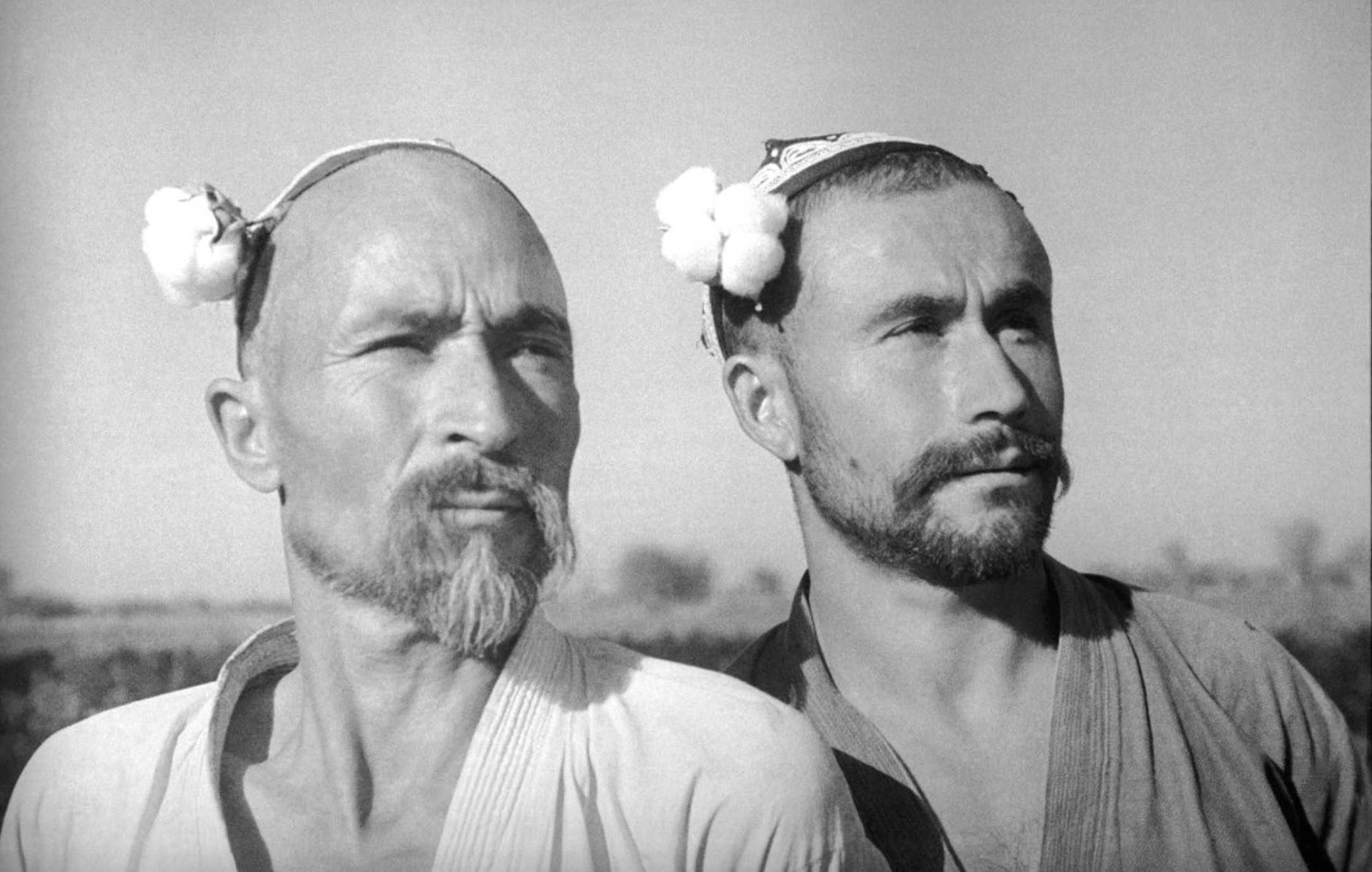
Ikat fabrics and “white gold” of Uzbekistan
Our ikat fabrics, renowned for their vibrant patterns and texture, are usually comprised of approximately 50% cotton and 50% silk, blending traditional craftsmanship with local agriculture. This article delves into the history of cotton production in Turkestan, presently known as Uzbekistan, where cotton cultivation has been a cornerstone of the region's economy and culture for centuries.
Brief Historical Note on Uzbekistan's "White Gold"
Cotton, often referred to as "white gold," has long been a strategically significant crop. Its cultivation began in 19th-century Turkestan. Interestingly, the region’s evolution into a major cotton producer is a direct effect of the abolition of slavery in the United States. With the disruption of American cotton supplies, which were crucial to the Russian economy and military, Tsarist Russia turned its attention to Turkestan.
Among all its colonized territories, Turkestan had the ideal climate for cotton cultivation. Initially, local farmers grew cotton for export which was very minimal and the population's use.
Originally cultivated to meet the demands of the Russian Empire’s population and military, cotton, over the years, has since become a vital part of the economy. It plays a key role in providing affordable clothing and supporting military efforts. Over time, the narrative of cotton has become one of pride, enrichment, power, and military strength, but it has also brought serious ecological issues to the region.
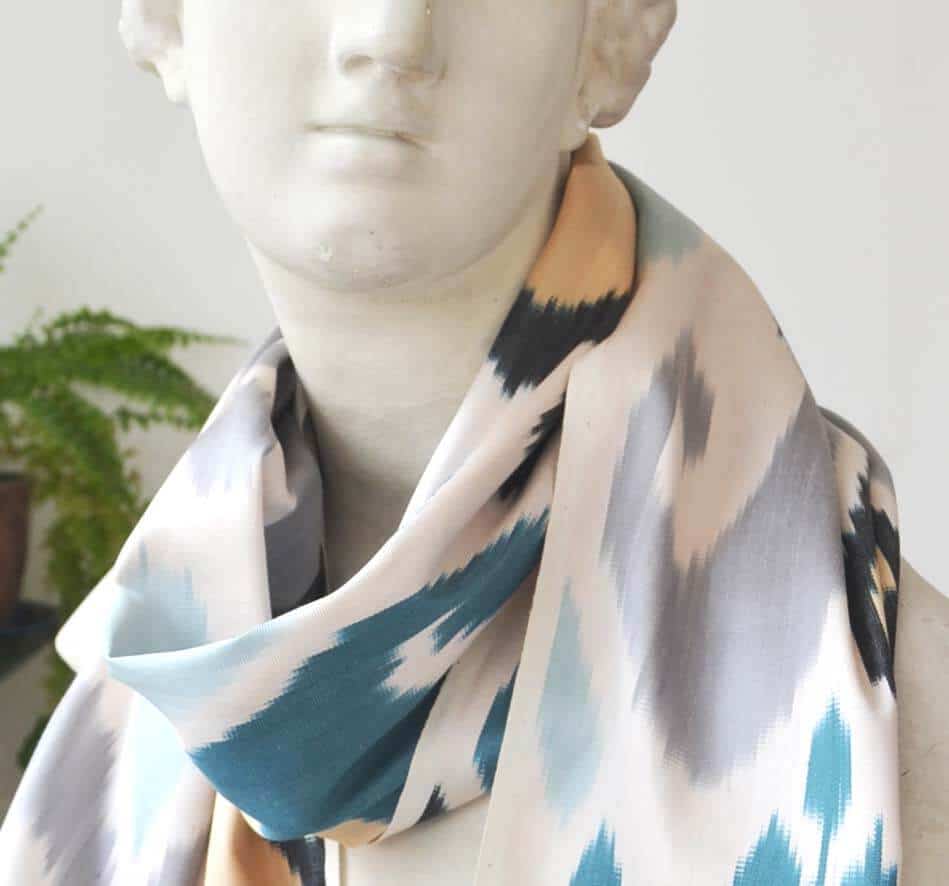
5 Things You Should Know Before Buying Ikat Fabric
Ikat fabrics have become the latest buzz in the world of fashion and home decor, catching the eyes of those who crave a blend of tradition and style. However, diving into the ikat trend and buying ikat fabrics without a proper understanding of what you're getting into can lead to surprises. This article serves as your friendly "ikat fabric buyer beware," aiming to arm you with essential insights before you invest in these textiles. Please note that everything we cover in this post applies to ikat fabrics made in Uzbekistan. So, let's unravel the ikat mystery together.
1. Ikat Fabrics and their Narrowness
One of the characteristics of ikat fabrics from Uzbekistan is their distinctive width. These textiles typically measure between 40-50 cm (approximately 16-20 inches for our imperial friends). This specific range of width is not a random choice. It is a direct reflection of the limitations imposed by the traditional handlooms on which these fabrics are meticulously woven. We have a blog post specially dedicated to this aspect of Uzbek ikat fabrics. Due to these constraints, for projects requiring more expansive pieces of fabric, you'll find it necessary to join together multiple strips of ikat, ensuring the ikat patterns align seamlessly.